Case 6: Variable Rate Nitrogen Injection & Nitrate Runoff Mitigation
How soil electrical conductivity mapping and variable-rate fertigation boosted nitrogen use efficiency by 34%, dropping well nitrates from 14.2 to 7.8 mg/L.
Agronomic & Operational Challenge
San Joaquin Valley Agronomy Alliance reported domestic drinking water wells in Caruthers testing at 14.2 mg/L nitrate (NO3-N), significantly exceeding the state 10 mg/L maximum contaminant level.
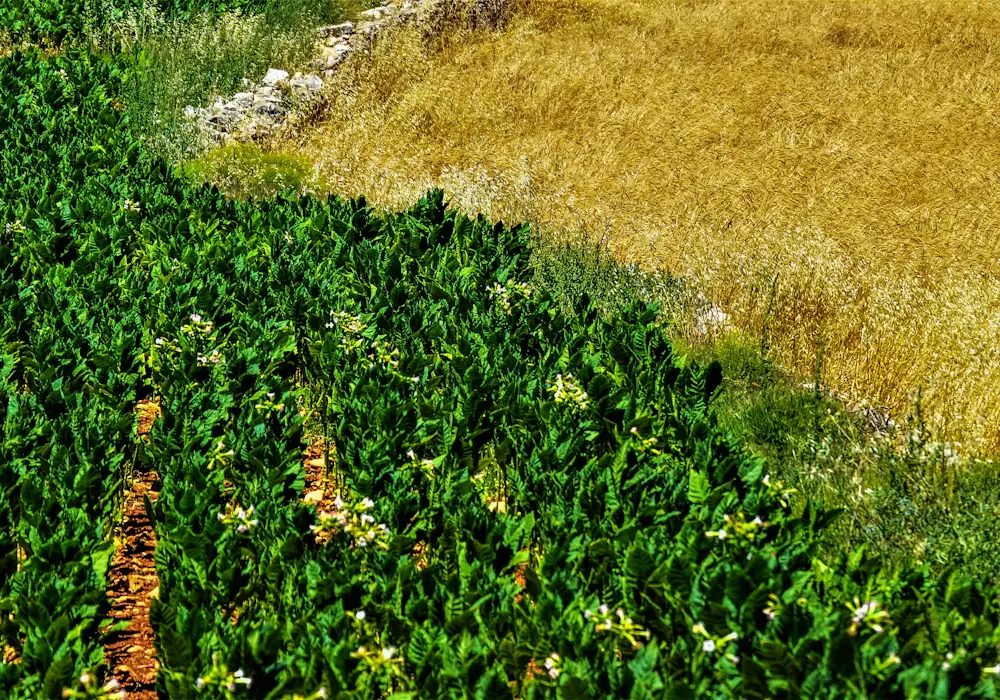
Uniform liquid nitrogen applications on coarse sandy soil lenses had caused severe fertilizer leaching below the active crop root zone into groundwater.
Technical Intervention & Methodology
Ashford Valley agronomists mapped electrical conductivity (EC) across 160 acres to identify sandy infiltration zones versus heavier clay loams.
Variable-rate fertigation injection skids were calibrated to apply micro-dosed liquid nitrogen pulses only when crop demand models indicated maximum root uptake.
Quantified Commercial Outcome
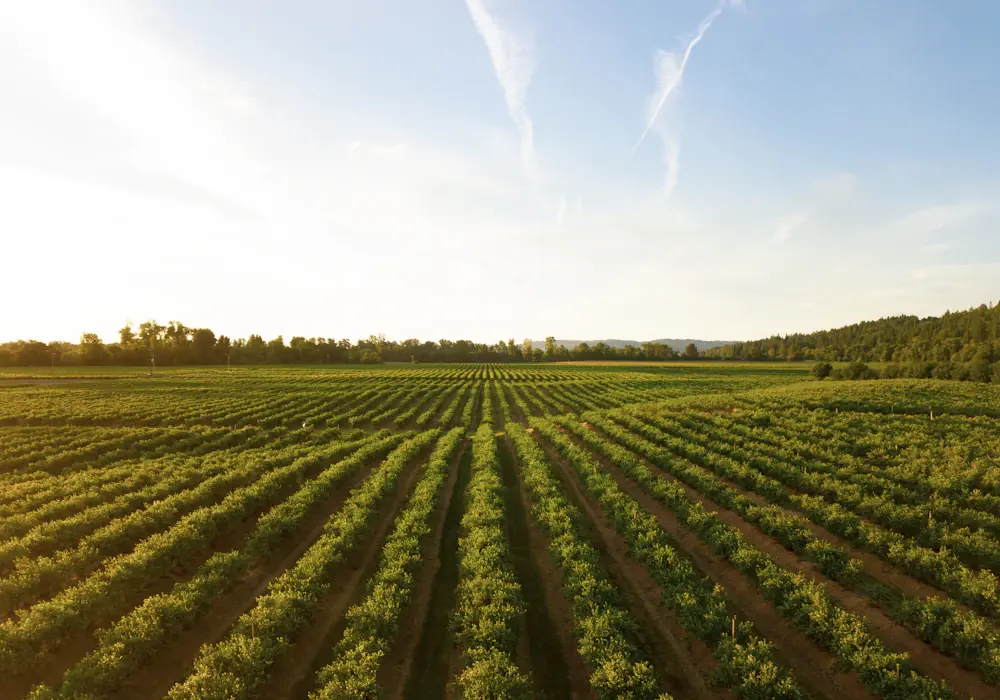
Nitrogen application efficiency surged by 34%, reducing total fertilizer input by 42 metric tons without diminishing corn silage or forage biomass.
Within two drainage cycles, monitoring well nitrate levels fell to 7.8 mg/L, re-establishing compliance with California Regional Water Quality Control Board standards.
Download Authoritative Field Dataset
Dataset contains stratified soil core measurements (0-120cm) across 24 test plots: soil texture, EC, residual nitrate, and moisture tension.